
 by Emily Hechler
Debit and credit cards make everyday purchases faster and more convenient, whether you’re shopping in-store, online, or while traveling. That convenience may come at the price of your information being stolen by a scammer. Fraudsters constantly develop new ways to steal your information and drain your accounts. By understanding the common tactics scammers use and taking simple precautions, you can prevent and recover from fraud quickly.
Debit and Credit Card Fraud Prevention
Carrying a debit or credit card in your wallet or phone is often a more secure and convenient method of payment over cash. However, you still need to proactively keep your debit and credit cards safe from scammers. Follow these tips to keep your cards and finances safe.
Monitor Your Accounts
You should monitor your accounts on a regular basis to make sure all of the transactions are yours. This way, you can spot suspicious or fraudulent transactions and work with the credit union to resolve the situation.
Set Up Debit Card Alerts
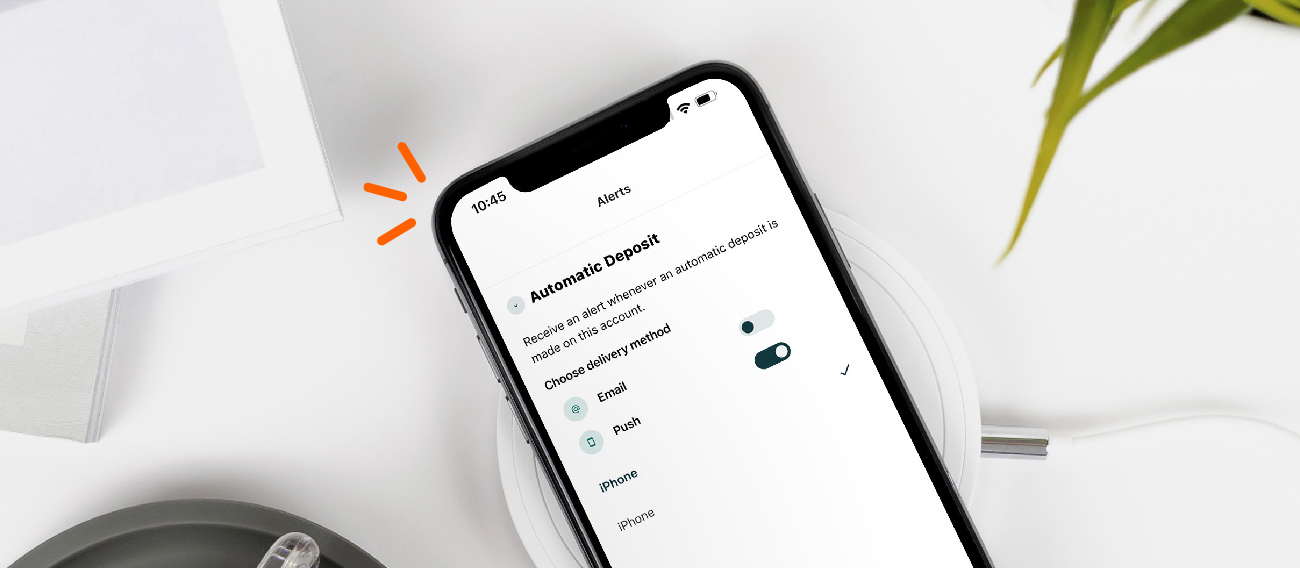
You can catch suspicious activity even faster by setting up debit card alerts through your Alltru app. With debit card alerts, you can be instantly notified of activity related to your card. This is helpful for confirming that your transactions were successfully completed and also for catching scam purchases in the moment.
Debit card alerts helped our member Laura catch a few fraudulent charges on her debit card in real time. She froze her card, disputed the transactions, and got a replacement card before any additional fraud occurred.
Learn how to set up debit card alerts for your card on our Learning Center.
Don’t Click on Ads
Legitimate companies follow legal requirements when tracking online behavior to advertise to you. Scammers don’t. They can create convincing ads to lure you into fake websites that steal your information. Always verify the URL: look for correct spelling, a https:\\ address, and a lock icon showing that the site is secure.
Keep Your Card Numbers Safe
When you make purchases in public, whether in person or online, be sure that your information isn’t visible to anyone. Shield your card and PIN numbers with your hand so no one can peek over your shoulder and see your information. Also be cautious of completing online purchases in public near windows. Your screen can reflect on the window, allowing many to easily hack your card.
Beware of Phone Scams
Phone scammers often pretend to be from trusted organizations to steal your personal information. If someone calls claiming to be from your credit union and something feels off, hang up immediately and call us back at 636-916-8300. Remember, your credit union will never ask for your password. Fraudsters count on heightened concern, especially during the holiday season, so stay alert and protect your information.
Travel Fraud Prevention
Many people travel during the holidays, take long weekends during the year, and even take several weeks off at a time in the summer. Traveling can make you prone to becoming a victim of fraud. While the tips we already listed are still relevant, there are even more ways you must protect yourself and your finances while you travel.
Be Wary of Public Wi-Fi
Free Wi-Fi can be convenient, but it’s not always safe. Free public Wi-Fi is common in hotels, coffee shops, and restaurants. However, these networks are often insecure, giving hackers an easy way to steal your personal information. To protect yourself, turn off Wi-Fi before logging into online banking and use your cellular data to connect to it instead. It’s a much safer option.
Schedule Bill Payments
Travel doesn’t pause your bills. To avoid logging in on public networks while away, schedule your payments before you leave and turn on account notifications. For example, before a recent four-day trip, I scheduled my mortgage, student loan, and credit card payments ahead of time. This allowed the payments to process automatically, and I received alerts when they posted so there was no need to access my accounts while traveling.
Protect Travel Documents
If your credit cards are ever stolen, having your card numbers recorded in a safe place can help banks or issuers act quickly to protect your accounts. Also, shred travel documents with sensitive information once you’re back home. You can also keep digital copies of boarding passes or tickets on your phone. They’re easy to access during your trip, and you can delete them when you return.
Review Your Purchases Later
Instead of monitoring your accounts while you’re traveling, check when you return home. The less you can log on to your accounts while you’re traveling, the safer your personal information will be. This way, you are still monitoring your account in a timely manner without risking your information being hacked in an unfamiliar area.
Fraud Recovery
While we can follow these tips to keep ourselves safe from fraud, scammers may still target you. Since you’re regularly monitoring your account, you should be able to quickly catch any suspicious activity. If you think you are a victim of fraud, follow these steps.
Lock your cards
When you review your account activity, you may be able to tell if a card was used or if the fraudster directly used your account. Either way, lock your cards through mobile or online banking to prevent any additional transactions from going through. While you won’t be able to use your cards until you get a replacement, neither will the fraudster. It’s a small price to pay to keep your money safe from fraud.
Contact Your Credit Union
Next, contact your credit union to dispute the charges. You can also do this online. However, you may need help enabling more security features on your account. If you believe your account numbers were hacked, your credit union can help you recover your security.
Set Up Account Notifications
Finally, set up notifications for your cards and accounts. This way, if a fraudster uses your money, you’ll immediately be notified so you can quickly act to prevent more damage.
Conclusion
Fraud can happen to anyone. By staying alert and practicing safe habits, you can reduce your risk of being a victim. From monitoring your accounts regularly to being cautious with public Wi-Fi and travel documents, small steps go a long way toward keeping your finances secure. If you are the unlikely victim of fraud, you now know how to act to recover your finances. We’re here to help you keep your money safe.