 by Emily Hechler
In early 2025, GrubHub announced that they experienced a data breach. During the breach, customers’ names, phone numbers, email addresses, and partial card numbers were leaked. A data breach often leads to some type of fraud, even identity theft. Do you know how to stop identity theft? Do you know how to recover from identity theft? Here are common examples of fraud that may lead to identity theft and the steps you need to take to quickly resolve the situation.
Unexplained Financial Activity
Unexplained financial activity such as ATM visits, withdrawals, or purchases you don’t remember making mean that someone else has access to your financial information. It could just be that your debit card was stolen. In other cases, it could be the warning sign of identity theft. Whatever your situation, transactions may start small so you don’t notice the missing $10 transactions here and there. Pay attention to all transactions in your accounts to make sure all of them were initiated by you or an authorized member on your account.
How to Fix the Unexplained Financial Activity
- Freeze your cards and request replacements.
- File a fraud report with your credit union.
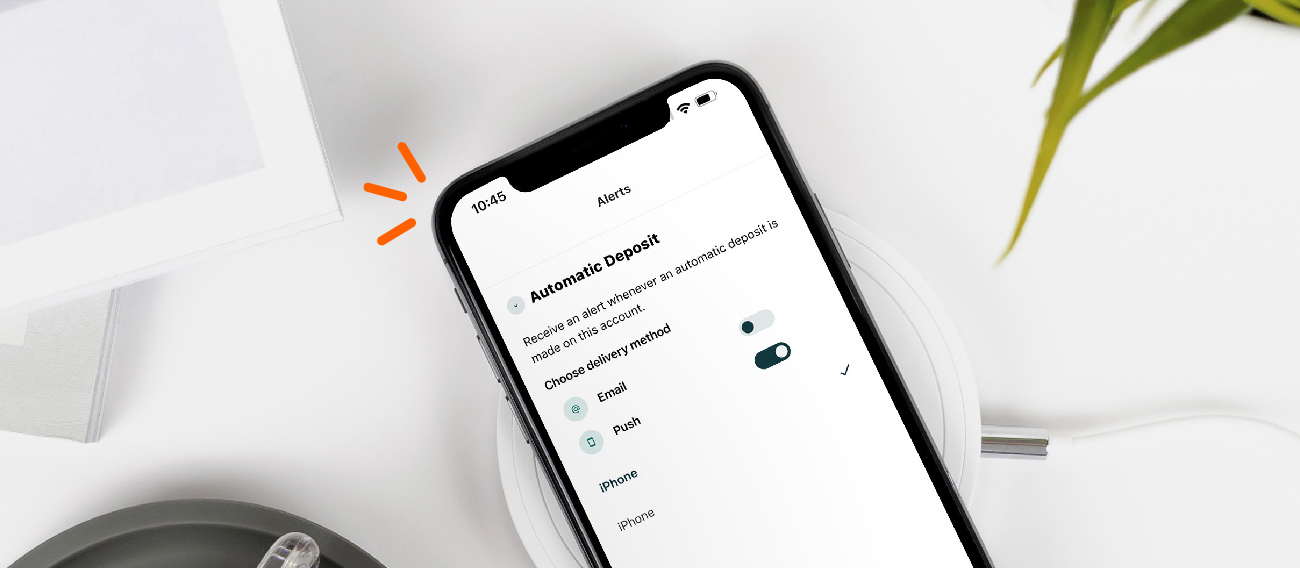
- Enable account alerts to get notice of any transaction from your accounts.
Credit Report Changes
It’s important to regularly review your credit report to make sure that all your information is recorded accurately. You may spot errors or inaccuracies on your credit report such as late payments, which likely caused your credit score to drop too. You may catch an unexpected credit application denial if you catch a scammer early. New accounts you didn’t open, or incorrect personal information can be signs that your identity was stolen too.
How to Fix Your Credit Report
- File a fraud report with your credit union.
- Work with the major credit bureaus, Experian, Equifax, and Transunion, to correct any inaccuracies recover your damaged credit score.
Returned Payments
When you pay for bills, whether it’s online, over the phone, or through snail mail, your transaction may be denied. This could be due to an identity thief changing your account information or closing your account altogether.
You may have bounced checks or debit card payments get declined too, even if you should have sufficient funds in your account. After suspicious activity, the credit union may place a pause on your account, which would explain the declined payments.
How to Recover from Returned Payments
- File a fraud report with your credit union.
- Switch the electronic payments to avoid carrying checks that may be stolen.
- Order a new debit card if necessary.
- Quickly get up to date on your payments to minimize credit score damage.
Tip: If you’ve tried to make a large purchase and your payment is declined, and you’re confident that you aren’t a fraud victim, this is your financial institution trying to protect you from fraud. Contact your credit union and let them know that the purchase is legitimate.
Issues Accessing Accounts
Are you suddenly unable to log in to your banking accounts, even though you know your information is correct? This may be due to your account getting hacked. When your account is hacked, the scammer can quickly get access to your finances and personal information, setting them loose on a scam spree.
Note: Your account may be locked due to the incorrect password being entered too many times. If this happens, this means that either a scammer changed your password and you entered your password too many times. It could also be due to a scammer trying to login to your account but was unsuccessful since they have the wrong password.
How to Recover from Account Access Issues
- Determine the reason for your account access issues.
- If a scammer accessed your account, review all account activity and verify that none of your personal information was changed.
- Work with your credit union’s fraud department to minimize potential damage, if necessary, and file a fraud report.
- Update your passwords and set up two-factor authentication.
Unexpected Login Activity
Your online and mobile banking accounts record when you logged into your account. Regularly monitoring your login activity will help you catch any account logins from fraudsters. If you have two-factor authentication set up, you may receive an alert to approve a login. If you didn’t trigger this login, this means someone is trying to hack your account.
How to Prevent and Recover from Unexpected Login Activity
- Update your account passwords
- Set up two-factor authentication on other accounts if you haven’t already.
Unexpected Bills
Unexpected bills may come from a variety of sources including medical companies, utility companies, subscription services, loans, credit cards, and more. If you receive an unwarranted bill, your identity was likely stolen. Even though you didn’t initiate these expenses, your accounts and credit score may be affected by the time you receive notice.
How to Fix Damage from Unexpected Bills
- Note the source of the bill. Is it a medical bill, loan bill, or another type of bill? This will help you determine what type of information was compromised.
- File a fraud report with your credit union.
- Update your account passwords if necessary and pause and request new cards if necessary.
- Work with the major credit bureaus to correct any inaccuracies recover your damaged credit score.
Data Breach
Sometimes, retailers or other companies experience a data breach. Many companies store your information after you make a transaction with them. If the company was targeted in a data breach, your personal information may be leaked. Depending on the organization, this may include your name, address, social security number, bank account numbers, credit card numbers, etc.
How to Recover from a Data Breach
- Determine what information may have been compromised. For example, the 2025 GrubHub data breach leaked names, email addresses, phone numbers, and card numbers.
- Determine the damage and potential damage that could be done with the leaked information and take the necessary steps to reverse or minimize damage. In the GrubHub scenario, affected members may experience an uptick in scam phone calls and texts, junk mail, and unauthorized transactions from the leaked card.
- File a fraud report with your credit union.
Tip: Norton LifeLock has a great resource about more identity theft warning signs here. Alltru also offers enhanced identity monitoring and protection services with a Premium Checking account for a fraction of the LifeLock price.
If I Was Affected in the GrubHub Data Breach…
I’d first understand that I am a target for debit or credit card fraud, and possibly identity theft. I would check with GrubHub’s statement to see if I was included in the group of customers whose information was leaked.
Assuming that my data was part of the breach, I would first determine which card I had connected to my GrubHub account. Even though GrubHub says that only partial card numbers were released, I would immediately lock my card. Then, I would review my transaction history to look for fraudulent transactions. If I found any suspicious transactions, I would report those as fraud and dispute the transaction to hopefully get my money back. If I didn’t find any suspicious activity, I could immediately request a new card.
Even though my account information is now safe from this angle, I have to keep in mind that I may get an uptick in spam phone calls, text messages, and junk mail. I’ll keep an eye on all communication I receive for a while to ensure I don’t leak any more personal information to a scammer.
Fortunately, I know Alltru is here to help keep my finances safe. But in the case where something catastrophic does happen, they’ll work with me to recover and move forward.