 by Chelsea Springli

Do you want to avoid long lines and large crowds this holiday season? Shopping online lets you zip through your list with just a few button clicks. But before you whip out your plastic, make sure you check to see if you’re on a secure website. Below are five online shopping tips to keep you safe during the holidays this year.
Look for the Padlock Symbol
Don’t check out at a website unless you see a padlock symbol on the browser bar of whatever device you’re using. This symbol means that the page has extra security to prevent others, primarily scammers, from viewing your sensitive information. Another way to tell a website is secure is that it starts with “https” instead of just “http.” The “s” means the site is secure.
Without this security, websites are more prone to be hacked by scammers. They can often get access to the information you entered during the order process. This can include your name. home address, email address, and payment information. By shopping on websites with the padlock symbol or https, you’re less likely to have your information stolen.
Be Cautious on Public Wi-Fi
If you need to check your online banking account while you’re away from home, avoid public Wi-Fi networks. Many retailers provide free Wi-Fi as a convenience to customers, but you can’t be sure who’s able to see the data you send on the network, including private information. Scammers that access free public Wi-Fi can find personal information about you from the device that you connected to the Wi-Fi.
Instead, consider using a virtual private network, or VPN, a service that lets you encrypt the information you send over the internet. That way, others won’t be able to access your data even if they can access the network. You can also send data over your personal cellular provider’s network, which bypasses Wi-Fi. These two methods are much more secure and help ensure Wi-Fi scammers won’t catch you as their next victim.
Change Passwords Regularly
Even if you take steps to shop securely, these tips aren’t failproof. A hacker could steal your username, password or other sensitive information from a retailer’s database. Protect yourself by changing the passwords of your online accounts every three months or so. That way, if hackers do breach a retailer’s software, there’s a good chance they’ll have access only to an old password. This will limit what personal information they can access about you.
Update Anti-Virus Software
If you shop from a home computer, tablet, or phone on your own Wi-Fi, keep your security software updated. Scammers keep getting better at their craft, but so do anti-virus software companies. Anti-virus software companies frequently release security updates to address newly discovered security loopholes.
Whenever I see that a new anti-virus update is available, I like to schedule the update to occur overnight. That way, I don’t lose any time out of my day waiting on what could be several hours of updates. Instead, the updates run while I’m asleep so I can wake up to a more secure internet connection.
Monitor Your Bank Accounts
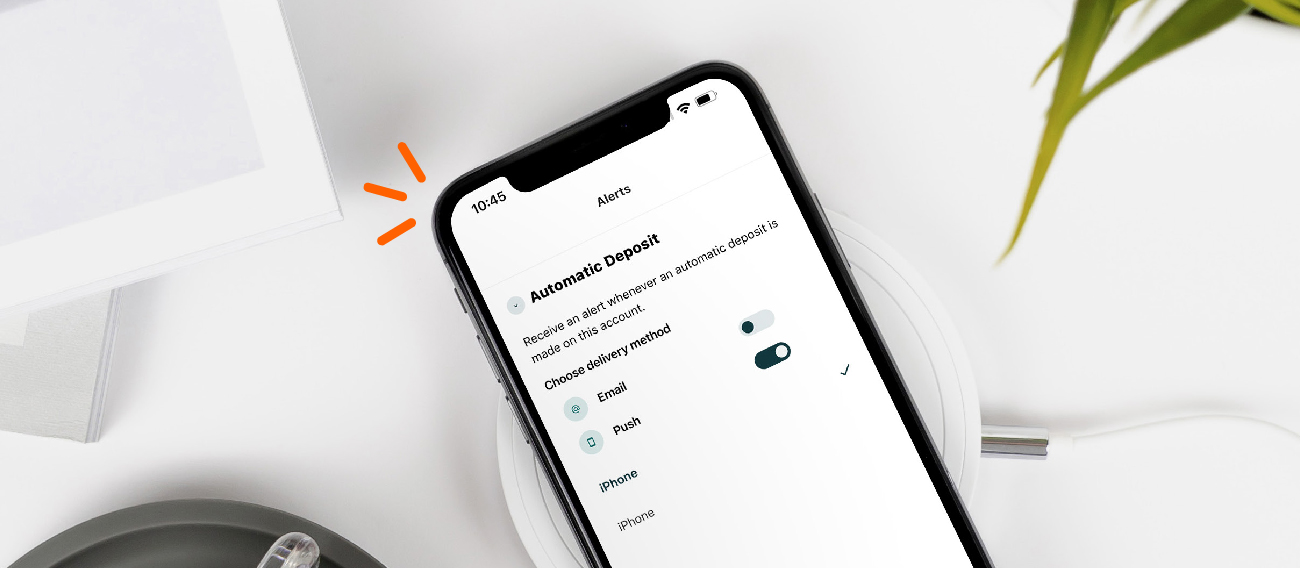
Check your bank accounts for unusual activity frequently using mobile and online banking. You can even set up alerts so that you are instantly notified if something looks out of place or even routine purchases. I enable notifications on my debit card and credit card for any transaction over $5. If you notice something out of sorts, contact your financial institution immediately to notify them of the fraud. You may need to file a transaction dispute so we can work to help you get your money back quickly and smoothly.
This is also a good time to check your credit activity. If a scammer got a hold of your credit card, they could have done more damage to your credit score and report too. Check your credit score and your credit report to ensure that all the information is accurate. If you notice any activity you didn’t initiate, you’ll need to contact the appropriate credit bureau to get the mistake corrected.
Happy Shopping!
Follow these online shopping tips to take advantage of the convenience of online shopping while protecting yourself from fraud. Your holiday shopping season will be so much more enjoyable knowing you have taken the steps to secure all your private information while checking everyone off your list.