

 by Emily Hechler
Protecting your finances starts with protecting your identity. In today’s digital world, scammers are constantly looking for ways to access personal information, from Social Security numbers to credit card and bank account details. Whether through data breaches, phishing scams, tax fraud, or romance scams, anyone can become a target of a scam.
Fraud isn’t just a nationwide issue, St. Louis and surrounding counties have seen an increase in scam attempts targeting everyday consumers, especially through text messages, social media, and online shopping. As a local credit union, we work with members across St. Louis, St. Charles, and surrounding communities to help protect their accounts and respond quickly when fraud occurs.
By staying vigilant, using the right tools, and following proven strategies, you can safeguard your information, monitor your accounts for suspicious activity, and respond quickly if fraud occurs. This guide provides practical tips to help you prevent identity theft, detect suspicious activity, and recover from scams if they happen.
Protect Your Identity
If you want to keep your finances secure, you must keep your identity secure. Identity theft is when scammers take your name, address, credit card or bank account information, Social Security number, or insurance account numbers without your consent.
Protecting your identity is becoming more difficult due to scammers actively trying to get your personal information. You aren’t the only target. Scammers often go for whoever has unsecure data, whether that be you or a group of thousands of people. Here are tips for protecting your identity.
Update Your Software
Keep the software on your devices, like your phone, laptop, and tablet, up to date. Many software updates include new security tools to protect your information. Often, you’ll receive a notification about a new version ready to download, but you’ll need to manually trigger the update. I set reminders in my calendar to check for software updates every other month in case I forget to update mine as soon as they are available.
Check Your Accounts
Your financial institution will send you a statement in the mail each month. You can receive your statement sooner by signing up for free eStatements. When you review your statements, you can mentally confirm that you initiated all the transactions. If you see anything suspicious, it’s likely a sign of fraud.
Review Your Credit Report
You are entitled to one free credit report each year from Equifax, Experian, and TransUnion. Reviewing all three helps you confirm that your information is accurate. If you spot an account you don’t recognize or incorrect personal details, it may be a sign of identity theft. Alltru’s Premium and Value Checking accounts also include built-in identity theft protection to help you stay secure.
Check Your Social Media Privacy Settings
Many of us post about our personal lives on social media. Videos on TikTok and Instagram Reels are intriguing but can cause security threats. Scammers can take the information you share in posts and videos to make you a target for identity theft. Before you post, check your privacy settings to ensure that you know everyone that may see your post. Also make sure you don’t have secure information in the background such as your address or vacation dates.
Use Encrypted Sites
Websites that have security features in place to protect your data use “https” at the beginning of the URL and have the padlock symbol in the corner of the address bar. If you don’t see these two signs, the site is more vulnerable to losing your information to scammers. Check for these signs before entering any personal information.
Freeze Your Credit
Freezing your credit means that the credit bureaus and financial institutions temporarily can’t access your credit report. In short, if a scammer tries to use your personal information to get a loan or credit card, they can’t. While your credit is frozen, you can still use your existing cards and loans. This is a good method to use if you think your data was taken in a data breach.
Detecting Identity Theft
Even by proactively protecting your identity, it’s still possible for someone to steal your identity. While it might seem like a lost cause, rest assured that your identity theft wasn’t from a lack of discernment. Here are common identity theft strategies.
Data Breach Victim
Sometimes identity theft happens through a data breach of a retailer you’ve used. Having your information exposed doesn’t automatically mean you’ll become a victim, only that your risk is higher. When businesses experience a breach, they typically issue public statements. If a company you’ve used has been affected, find out what personal information was compromised through their statement. Monitor your credit reports and bank accounts closely for any unusual activity over the next few months.
Suspicious Financial Activity
As mentioned earlier, it’s important to monitor your accounts regularly so you can spot potential identity theft quickly. Suspicious activity like unfamiliar charges and transfers or ATM withdrawals from distant locations can be signs that your information was leaked. Before panicking, check that your joint members didn’t initiate the transactions.
Credit Report Activity
Unfamiliar changes on your credit report can be a strong indicator of identity theft. When fraudsters gain access to your personal information, they may open credit cards or loans in your name. These accounts, along with any missed or late payments for these products, will appear in your credit report and can damage your credit score. It’s also important to review your personal details, such as your address, for any inaccuracies that may signal fraudulent activity.
Verification Issues
Enabling two-factor authentication (2FA) on accounts that contain personal information makes it much harder for scammers to gain access. If you receive a verification request without attempting to log in, it could indicate that a scammer is trying to access your account.
On the other hand, if you try to log in and are asked to verify your identity but haven’t set up 2FA, a scammer may have already locked you out. This situation is particularly serious, as they could now have access to sensitive personal information, putting you at high risk of identity theft.
Unwarranted Bills
In addition to identity thieves opening new accounts in your name, you may receive a bill for one of these accounts before noticing the change on your credit report. These bills could come from medical providers, subscription services, loan collectors, or other companies.
Keep in mind that you may receive mail that looks like a bill but is actually a prequalification offer for a loan. While this can still be a warning sign of identity theft, it could also be junk mail. Be sure to carefully verify what you’ve received before reporting any suspected fraud.
Steps to Recover from Identity Theft
Now that we’ve discussed how to detect identity theft, you may realize that you are a victim. If you are a victim of identity theft, follow these steps to prevent more damage and to recover your information and finances.
Step 1: Contact Your Financial Institution
Start by reaching out to your bank or credit union so they can help secure your accounts right away. Make sure to:
- Dispute any unauthorized transactions to recover lost funds.
- Lock or close affected accounts to stop further fraud.
- Request new cards with new numbers so old ones can’t be reused.
If you catch identity theft after our normal business hours, you can start the process online or through mobile banking. Check our Learning Center for step-by-step guides with visuals on handling fraud.
Step 2: Review Your Credit Reports and Bank Accounts
Identity theft can affect more than one account if scammers gain access to enough of your personal information. Review the following to check for suspicious activity or changes:
- Current and past account statements, including ones you rarely use, to identify the first fraudulent transaction.
- Your credit reports from all three major bureaus to see if someone opened a new account, made changes to your loans, or affected your credit score.
Watch for unfamiliar accounts, loans, or credit inquiries. If you spot anything suspicious, contact your financial institution immediately and work with the credit bureaus to dispute the fraud.
Step 3: File a Police Report and Notify the IRS
Even if the identity theft occurred online or overseas, it’s important to file a police report. Local authorities can use your report to investigate and build cases, particularly if your information was exposed in a local data breach. Also, contact the IRS so they will help prevent fraudulent tax filings in your name and guide you through a personalized recovery process.
Step 4: Sign Up for Credit Monitoring
If your personal information was involved in a data breach or your credit report shows signs of fraud, enroll in a credit monitoring service. Alltru members can take advantage of the identity theft protection features offered with our affordable Premium Checking and Value Checking accounts.
You should also place a fraud alert with the credit bureaus. This notifies lenders to take extra precautions before opening any new accounts in your name due to the recent theft.
Step 5: Repair Your Credit Score
With patience and the right support, your credit score can bounce back. Being proactive and preventing self-inflicted credit score damage can help you recover even faster.
Now that you’ve reported and disputed the identity theft and fraudulent charges, you’ll have a team from your financial institution and the credit bureaus working to amend your accounts. In the meantime, it’s important to actively work on repairing your credit. Continue to make all your credit card and loan payments on time. In addition, keep all the documentation related to the identity theft and continue to dispute charges to your accounts if more sneak through.
Spotting and Fighting Tax Fraud
During tax season, you aren’t the only one working hard to get the job done. Every year, thousands of people fall victim to tax scams designed to steal personal information, refunds, or both. The good news? A little awareness goes a long way in protecting yourself. Here’s what you need to know to stay safe from tax filing scams.
Tax Filing Scams Overview
In a common tax scam, a criminal advertises themselves as a legitimate tax preparer or accountant. After you hire them, they gather your personal information to file a return in your name, but they redirect the refund to themselves instead of you.
In other schemes, scammers may claim you owe taxes and demand immediate payment, often in cash, without ever filing your tax return. This not only costs you money but can also result in penalties with the IRS for missing the tax filing deadline. After all, you paid a tax preparer to file your taxes. Why would your taxes be filed late?
Tax-Related Scams
Tax scams aren’t limited to fake preparers. They can take many forms, all of which can create serious problems with your taxes. Some common examples include:
- Credit & Refund Fraud: Dishonest preparers may promise large tax credits you don’t really qualify for. All you have to do is pay the fake preparer a high fee to file your taxes. In the end, you still remain responsible for any errors when filing with the IRS.
- Unclaimed Refund Scams: Scammers posing as the IRS may tell you that a tax refund is waiting and ask for personal information to “verify” your return. In reality, they use this information to steal money from your account and never be heard from again.
- W-2 Fraud: You might be encouraged to change income or withholding details to receive a bigger refund. This can lead to legal consequences with the IRS for inaccurate reporting.
These are a few common examples of tax fraud, but not all of them. For another list of scams, visit the IRS website.
Protect Yourself from Tax Scams
As tax season approaches every year, you’ll see an uptick in available tax preparers and accountants. Before you create an appointment or give any personal information, you should verify their credibility. Be on the lookout for a guarantee of a large refund, as this is a red flag since they don’t have any knowledge about your information. Also, look for their Preparer Tax Identification Number (PTIN) and check the number with the IRS Directory of Tax Return Preparers. If you haven’t looked for a tax preparer yet, you can also use this site to find one.
Fake Tax Preparer Red Flags
Even after hiring a tax preparer, it’s important to stay alert for red flags. For example, you may be asked to sign a blank return. This would allow the preparer to forge your signature later. Another warning sign is if the preparer refuses to sign the return themselves, indicating they may not be taking responsibility or that the form may not be valid without their signature. Additionally, some preparers may inflate deductions or credits to increase your refund.
Tax fraud is a serious crime, and even as the victim, you are still responsible for the information on your return. If you notice any of these signs, stop working with the preparer immediately and find a new, trustworthy professional. As an Alltru member, you get exclusive discounts at TurboTax and H&R Block so you can file your taxes yourself or with accredited professional assistance.
Steps for Victims of Tax Fraud
If you believe that you’re a victim of tax fraud, there are four major steps to take. Don’t wait to act, since you’re ultimately responsible to the IRS.
- Report the tax fraud immediately to the Federal Trade Commission (FTC) and the IRS.
- Inform your close circle of the scam in case they are contacted about your situation.
- Contact your financial institution to keep your accounts secure from unauthorized activity if you shared account numbers or other banking details.
- Visit IdentityTheft.gov if you gave the fake preparer your Social Security number. A team will help you create and navigate a custom recovery plan to keep you from becoming an identity theft victim.
Romance Scams
In addition to finding a fraudulent tax preparer online, you may find a fraudulent romantic partner online. Romance scams can happen to anyone with good intentions who is looking for a relationship. If you or a close friend is part of the online dating world, be cautious of romance scams.
What is a Romance Scam?
A romance scam is when a scammer convinces someone that they are entering a genuine, mutually interested romantic relationship. In reality, the scammer’s goal is to collect personal and financial information to exploit the victim and then disappear. These scams often involve fake online identities, making it extremely difficult for the victim to track them down once they’ve taken your money.
Romance Scam Red Flags
It’s easy to ignore the warning signs when emotions are high. However, you need to be aware of these signs so you can stay safe from romance scams. While it may sound harsh, you never know the intentions of people who seem to mean well.
- They’ll never meet in person. If they won’t meet you in person, it’s likely because they don’t want you to recognize them or find any personal information during your time together. If they continue to postpone meeting up, it’s highly unlikely they’ll actually follow through.
- They share inconsistent or vague information. Changes in details, corrections, and generic information are signs that whatever the scammer is telling you is entirely fake, just like your relationship.
- They seem too good to be true. If everything in your online relationship seems perfect, it’s likely the opposite. They’re playing with your emotions to gain your trust.
- They ask for money. Requests for prepaid debit cards, gift cards, and other not easily reversible money transfers are red flags. Even though you were scammed, the transaction itself was legitimate, and the money could be spent before you notice you were scammed.
Stay Safe from Romance Scams
If you need more time to determine if your internet romance is legit or a scammer, you still need to protect your finances from them. Here are ways to keep your money safe from romance scammers.
- Don’t send money. Until you can verify in person that your date has your best interest in mind, do not send them money for any reason. Legitimate partners will respect your caution.
- Verify personal information. Do some social media sleuthing to see if you can verify personal information about your romantic interest before sharing anything too personal with them.
- Monitor your accounts. We’ve already discussed the importance of regularly monitoring your bank accounts. With a new partner in mind, still be cautious of suspicious activity.
- Stay alert. Reading resources like this one will help you stay informed and alert about scamming tactics. For more resources, check out our security blogs.
Other Common Scams
Tax scams and romance scams are only two of the many common scams. Here, we’ll discuss other common scams that don’t immediately set off warning signals. Charity scams, online scams, and phone scams that target the elderly are worth noting.
Charity Scams
Many charities and non-profits are busy trying to find donors during the holiday season. If you are approached by a charity, whether it be online, on the phone, or in-person, do your research to see if they are legitimate. Don’t use a website they gave you in case it causes a security threat. Instead, search for the charity online yourself. Ask for their EIN number and confirm that it matches their website. If the organization is legit, they’ll understand your concern and respect your initiative to research on your own. If they’re a scammer, they’ll try to deter you from researching and pressure you into giving information on the spot.
Online Scams
Spam websites, emails, and texts can often look legitimate. Before clicking, look for the padlock symbol and the “https” in the URL. If you don’t see these symbols, these are warnings that the media is a scam. With today’s technology capabilities, you may see ads, get emails, or receive texts from these companies several times. Stay vigilant and report these messages as spam.
Grandparent Phone Scam
In grandparent phone scams, a fraudster pretends to be a grandchild in an urgent situation claiming to need money immediately. They often ask the elderly to send bank account information so money can be stolen from their account. Because of artificial intelligence, it’s becoming more difficult to detect these scams. To stay safe from these scams, hang up the phone when you receive a call like this and call the number back or contact other close family members to determine the validity of the situation.
Credit and Debit Card Fraud Prevention
Carrying a debit or credit card in our wallet or phone is often a more secure and convenient method of payment over cash. However, you still need to proactively keep your debit and credit cards safe from scammers. If a scammer accesses your debit card numbers, they can withdraw cash at an ATM or make several purchases without your knowledge and drain your checking account. If your credit card number is stolen, they can create thousands of dollars worth of debt under your name. Follow these tips to keep your cards and finances safe.
Set Up Debit Card Alerts
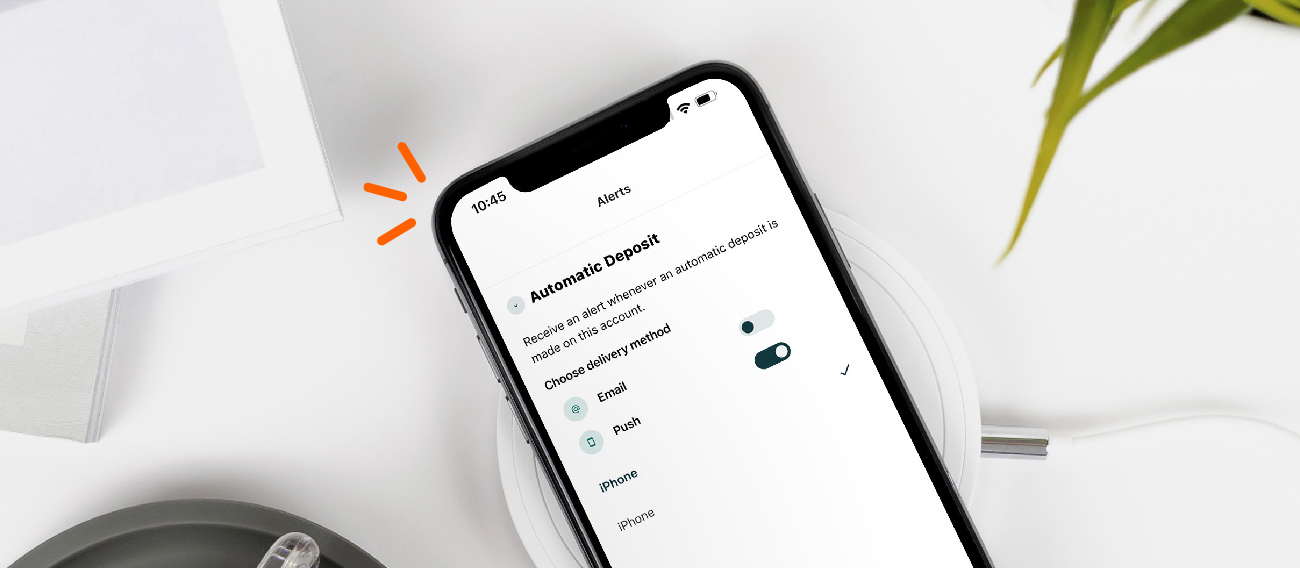
You can spot suspicious activity more quickly by enabling debit card alerts in your Alltru app. These alerts notify you instantly whenever your card is used, helping you confirm legitimate transactions and catch potential scam purchases as they happen.
Even though these alerts come after a transaction occurs, they can still help you catch fraud early and prevent hundreds or even thousands of dollars in losses. Read this story about our member Laura who used debit card alerts to catch and fight fraud.
Learn how to set up debit card alerts for your card on our Learning Center.
Look Out for Fake Ads
Marketers can often tailor ads to your interests thanks to internet tracking, which is regulated and requires companies to follow legal guidelines. Scammers, however, aren’t bound by these rules. They can create persuasive ads that convince you to click, but these links often lead to fraudulent sites that can steal your personal information. Always double-check the URL to ensure the spelling is correct, that it begins with “https,” and that there’s a small lock icon indicating the site is secure.
Protect Your Card Numbers
When making purchases in public, whether in person or online, protect your personal information from prying eyes. Cover your card and PIN number with your hand to prevent others from seeing your details. When shopping online in public spaces, be careful near windows, as screen reflections can reveal your information to onlookers and increase the risk of card fraud.
Watch Out for Phone Scams
Scammers often pose as banks or credit unions to trick people into giving out personal information over the phone. If someone calls and asks for your card number, hang up right away. We will never call you to request that information. If you’re unsure whether a call is legitimate, simply hang up and call us back at 636-916-8300.
Preventing Travel Fraud
Traveling for vacation, work, or another reason can make you more susceptible to other scams. Just because you’re out of office doesn’t mean your financial security should be! When you travel, be careful to follow these tips so you can keep your finances protected.
Be Careful Using Public Wi-Fi
While free Wi-Fi is convenient, it isn’t always secure. Many hotels, coffee shops, and restaurants offer public Wi-Fi, but these networks can give hackers easy access to your personal information. To stay safe, turn off Wi-Fi before logging into online banking and use your cellular data or a personal hot spot instead.
Schedule Your Bills Ahead of Time
Instead of logging into several accounts to pay your bills while on your trip, schedule your bill payments ahead of time. That way, you can enjoy your trip without missing a payment or pausing to catch up.
Tip: Pause your mail from being delivered to your house while you are on vacation so your bills won’t be waiting in your mailbox when you return. Or worse, stolen without you even knowing.
Secure Your Travel Documents
If your credit cards are ever lost or stolen, keeping your card numbers in a secure place can help your bank or card issuer act quickly to protect your accounts. Additionally, shred travel documents containing sensitive information once you return home. You can also store digital copies of boarding passes or tickets on your phone. They’re easy to access during your trip and can be deleted afterward for added security.
Review Your Purchases Later
Rather than checking your accounts while traveling, wait until you return home. The less you log in from unfamiliar locations, the safer your personal information will be. This approach allows you to monitor your accounts in a timely manner without exposing your data to potential hacking risks while on the road.
Conclusion
While the risk of identity theft and fraud can feel overwhelming, taking proactive steps can make a significant difference. The practical steps in this guide don’t take much time to implement but can save you hours of time fighting fraud later. Remember, even if your information is compromised, quick action, the right resources, and consistent vigilance can help you recover your security and gain control of your finances. Staying informed and cautious is your best defense against identity theft and financial fraud.